
BACKGROUND
Learn about the co-governance partnership between Ōnuku Rūnanga and Christchurch City Council and their shared vision to honor this site of historical importance.
whakatauāki
whakatauāki
E hoki mai rā koe
Titī whakatai arorua
E hoki mai rā koe
Ki Ōtepātātū
Ki te pā whakatangi e
Ki te kōauau
Ki tauwene ai
I raro I auē
Titī whakatai arorua
E hoki mai rā koe
O Titī, bird of the sea’
Bird of the hilltop cave,
Come back to Ōtepātātū
To the lofty dwelling
Where the sweet sounds are heard
The sounds of the faery flute,
The music of the mountains
That thrilled me through and through
A whakatauāki, written by Teone Taare Tikao captures the mystery and magic of what was once a heavily forested landscape abundant with manu, their song and the mystical patupaiarehe that were believed to dwell in the hills above Akaroa township. The whakatauāki laments the loss of the titī and wishes for its return. This can be interpreted as the return of the titi, which signifies the return of the sounds of the fairy flute and the music of the mountains.
One of the main objectives of Takapūneke is to restore the mauri and mana to people and place. We can’t do this alone. It requires partnerships, collaboration and a powerful shared vision.
THE VISION
THE VISION
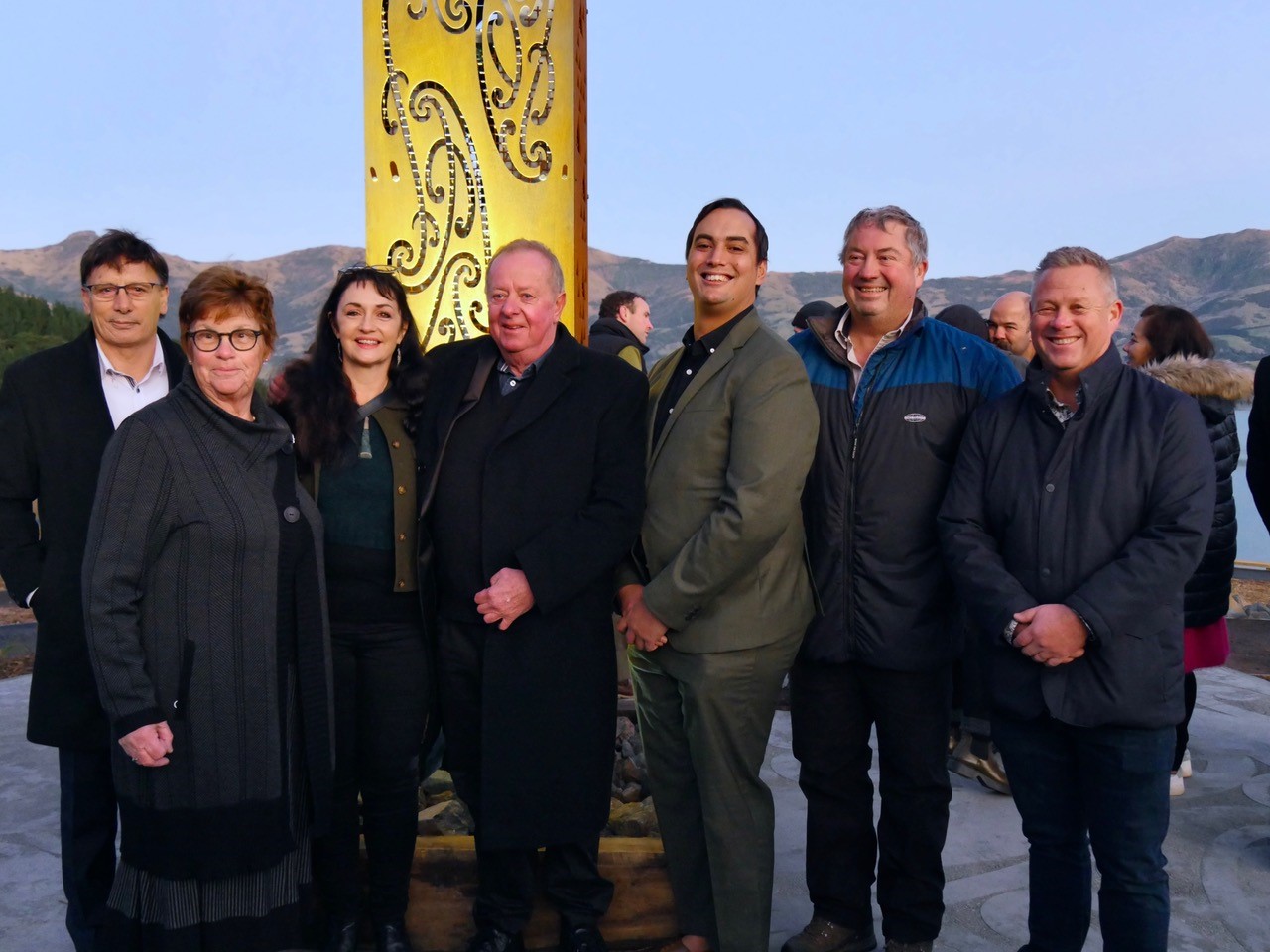
The story of Takapūneke is both shocking and complex, yet according to historians, this piece of Akaroa coastline “provides an even richer set of narratives around the nation’s identity than Waitangi.” The event that occurred at Takapūneke in 1830 played a substantial role in shaping New Zealand’s political framework. Events since 1830 exemplify the collision of two significantly contrasting world views, and as such, spans over two hundred years of anguish, conflict and change.
Today, Ōnuku Rūnanga and Christchurch City Council stand side by side to realise the vision of those who built the foundation for this relationship. Of the many Ōnuku whānau who worked hard to pave this path, three tipuna provided the critical guidance that has enabled us to achieve what we have to date.
Before Waitai Tikao passed away, he left a powerful message:
“Tell the people, let them know what it is, why we have cried over this land!”
Pere Tainui wanted to build a future for the mokopuna (future generations), and the late Reverend Maurice Gray wanted the concept of wānanga to be part of the process of revitalisation, and strengthening the connection between tangata (people), whenua (land), mauri, mana, wairua (spirit), and tapu (sacred).
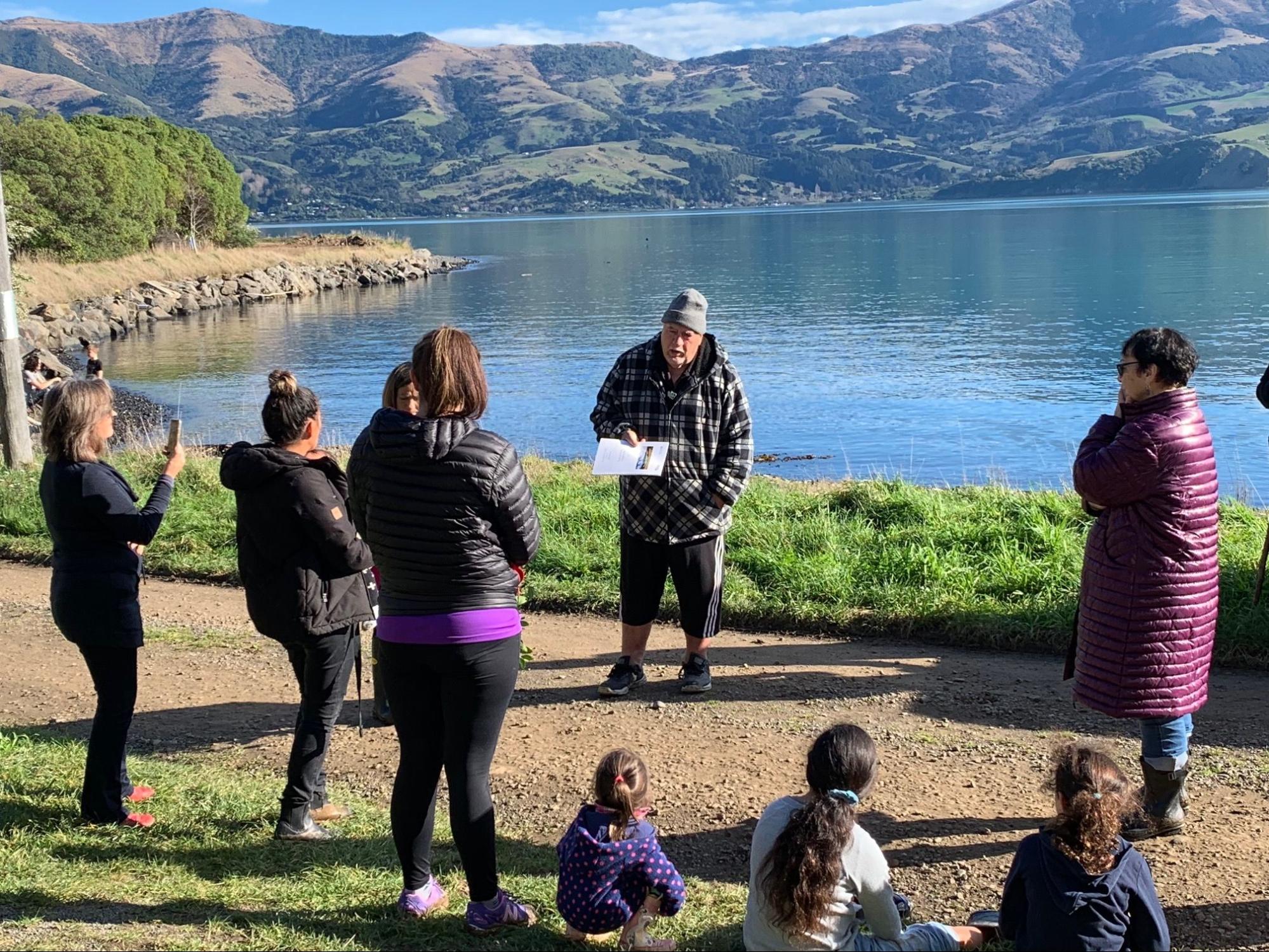
One of the main aspirations for Takapūneke, is that it becomes a place where people come to grow their understanding of Māori knowledge. Rev. Gray:
“We need to preserve the jewel of Ōnuku identity, the soul of their prestige.”
Maurice, Pere and Waitai wanted the story of Takapūneke to be told and for it to become a place of wānanga (learning):
- To share the story of this ancestral landscape with all people of Aotearoa
- To safeguard and grow mātauranga Māori (Māori knowledge)
- To restore the mauri (life force) and mana (prestige) of the land and people
- To bring back the traditional practices of raranga (weaving) and other mahi toi (artwork) to Takapūneke.
It is this vision that has guided the physical transformation of Takapūneke, from a place of maemae, to a place of regeneration and healing. All elements and spaces have been crafted to work collectively to restore the mana and mauri to people and place.
Māori philosophy is a belief in spiritual beings and is both a way of life and a view of life which is founded on rituals, ceremonies, religious objects, sacred places and sites, in art forms and carvings, in songs and dances, proverbs, wise sayings, and riddles, in the naming of people and places, in myths and legends, and in customs, beliefs and practices. Māori design comes from mātauranga Māori, it both reflects and transmits Māori ideas and notions about the world.
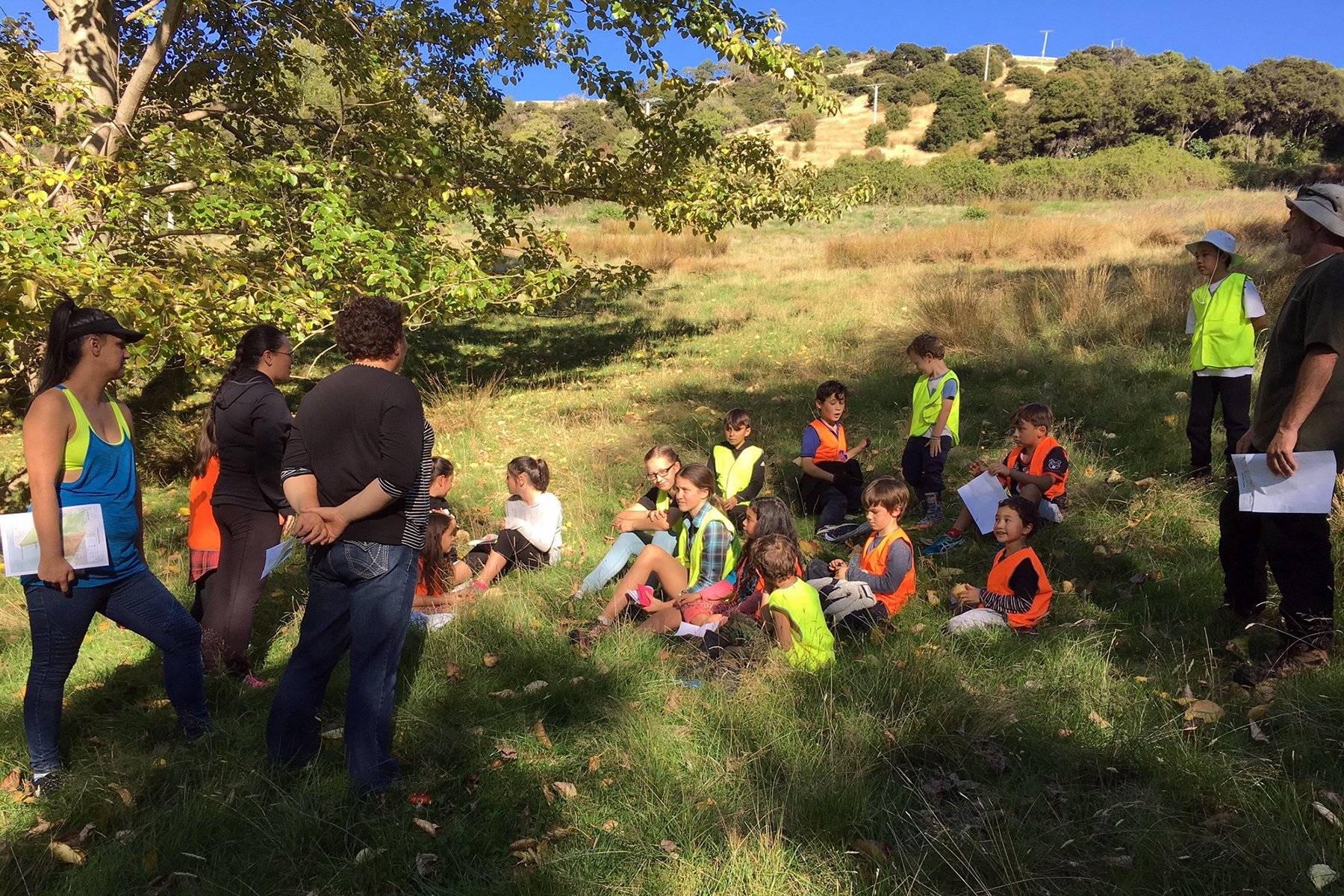
This vision also provides the road map to shape this wāhi tapu into a place that provides a window into the future. A future that is guided by and honors the stories of the past. The process of regeneration, restoration, re-connection, and revitalisation embodies the well-known whakatauki
“Ka titiro whakamuri, Kia anga whakamua”,
The whakatauki describes the notion of walking backwards into the future while facing the past so that you learn and acknowledge the knowledge and wisdom of tīpuna who came before, allowing this knowledge to guide you into the unknown future. In this sense, the cultural concepts embedded into the landscape of Takapūneke not only share the stories of past, but draw upon them to regenerate and strengthen our natural ecosystems, mātauranga Māori – and the many connections that bind us to the whenua, to each other and to the cosmos.
Edward B. Taylor, cited in Henare, M., (2001)Tapu, Mana, Mauri, Hau, Wairua: A Māori Philisophy of Vitalism and Cosmos. Indigenous Traditions and Ecology: The Interbeing of Cosmology and Community (pp.197-221) Harvard University Press for the Centre for the Study of World Religions. Henare, M., (2001)Tapu, Mana, Mauri, Hau, Wairua: A Māori Philisophy of Vitalism and Cosmos. Indigenous Traditions and Ecology: The Interbeing of Cosmology and Community (pp.197-221) Harvard University Press for the Centre for the Study of World Religions,p199
Governance
CO-GOVERNANCE AND NATIONAL RESERVE STATUS
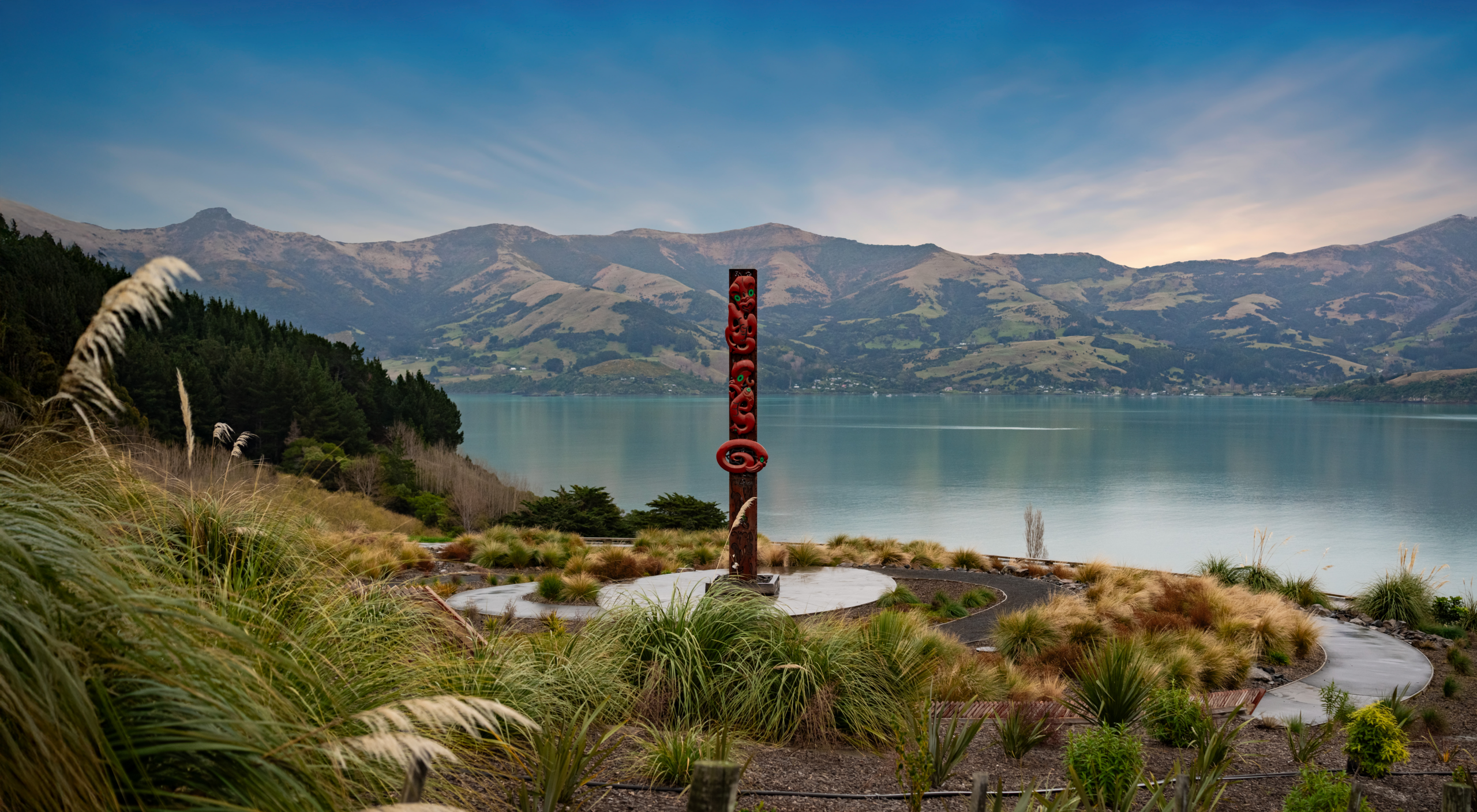
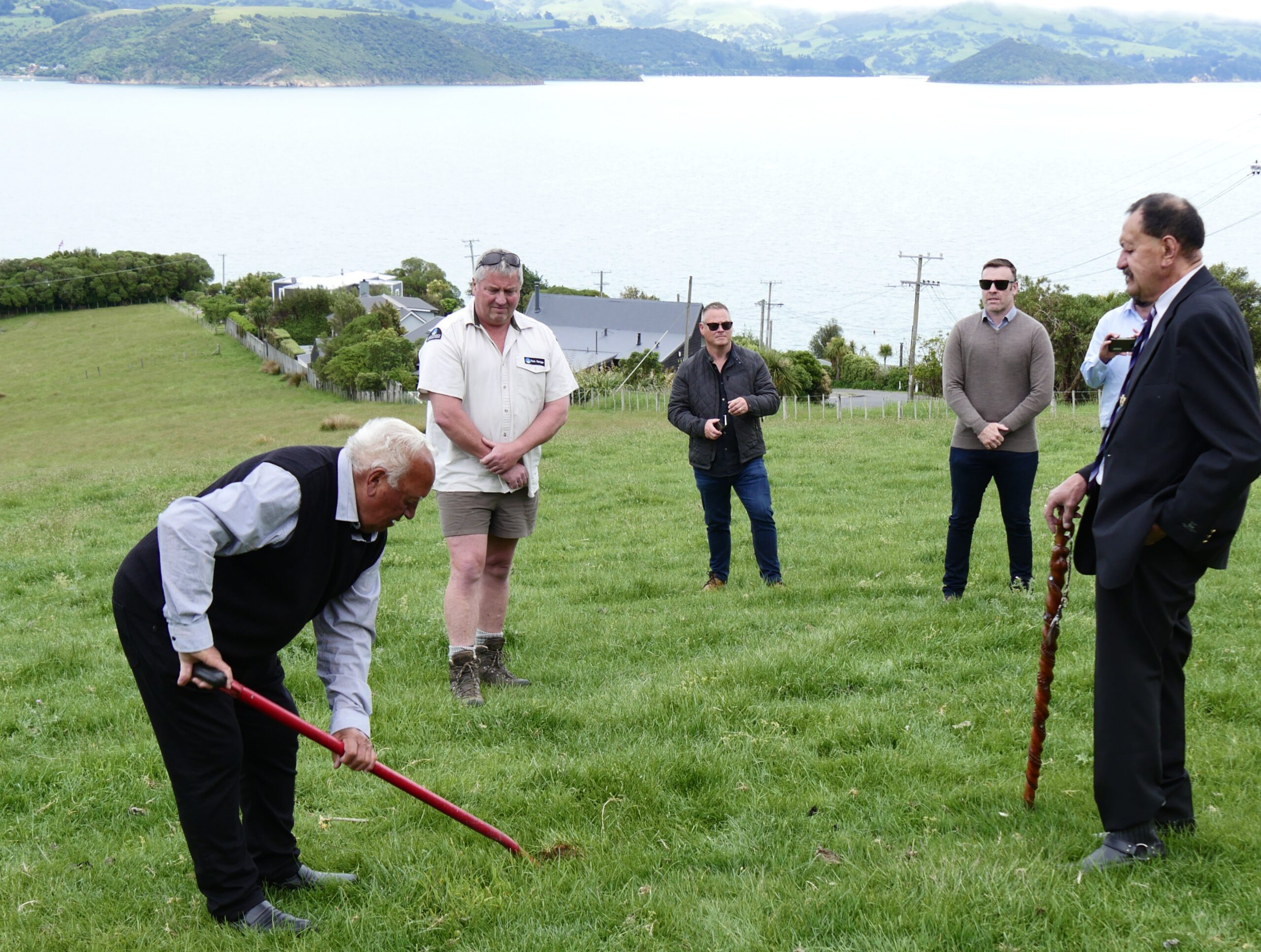
Since 2018, Takapūneke has been managed by a co-governance group of Ōnuku Rūnanga and Christchurch City Council representatives honouring the partnership established through Te Tiriti o Waitangi.
The City Council and Ōnuku Rūnanga are both connected and committed to the Takapūneke Reserve, but in different ways. Takapūneke Reserve is significant to Ōnuku Rūnanga for the cultural heritage, tupuna and whakapapa connections. For the City Council Takapūneke Reserve is a Historic Reserve and the maintenance and future development of the reserve is on behalf of all the residents in the City and visitors to the area including the Ōnuku Rūnanga.
The City Council made a commitment in the Takapūneke Conservation Report to attain National Reserve status for Takapūneke Reserve. The Akaroa/Wairewa Community Board resolved at its meeting on 16 February 2015 to notify the Minister of Conservation of the intention to apply for National Reserve status for Takapūneke Reserve. The steps towards achieving National Reserve Status are in play.
Why Co-governance?
Takapūneke Reserve Co-Governance Mission Statement
Ōnuku Rūnanga and Christchurch City Council will stand side by side as true partners to honour Te Tiriti o Waitangi and the deep spiritual connection between mana whenua and Takapūneke, so that the stories of this place will live on to guide future generations and build understanding of and connection to this wāhi tapu.
DECISION MAKING PROCESS
DECISION MAKING PROCESS
Decisions about Takapūneke Reserve are made collaboratively through the co-governance partnership between Christchurch City Council and Ōnuku Rūnanga. This process ensures that both the responsibilities of the Council as reserve manager and the cultural authority of mana whenua are reflected in how the site is cared for and developed.
Ōnuku Rūnanga provides cultural leadership and guidance, ensuring that decisions respect the wāhi tapu status of Takapūneke and align with Ngāi Tahu values, history, and tikanga. Christchurch City Council contributes its expertise in public reserve management, planning, infrastructure, and community engagement.
Key decisions relating to the reserve — including planning, interpretation, development, and site protection — are discussed jointly, with the aim of reaching agreement through partnership and mutual respect. This collaborative approach recognises the unique importance of Takapūneke and supports decision-making that balances cultural protection, historical recognition, and appropriate public access.
Through this shared process, both partners work together to ensure Takapūneke is managed in a way that honours its past and protects its significance for future generations.
COMMUNITY INVOLVEMENT
COMMUNITY INVOLVEMENT
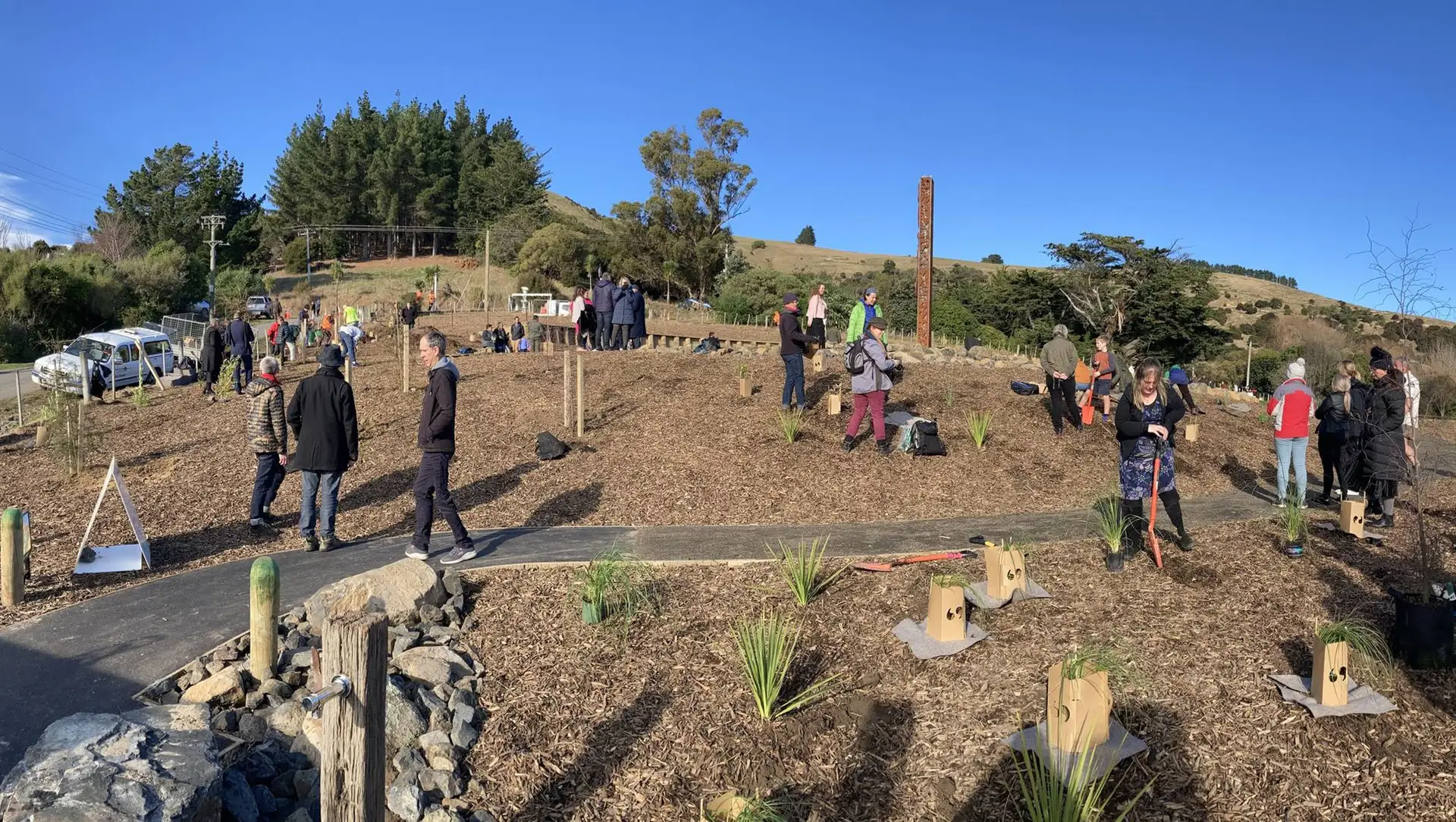
Community involvement plays an important role in the ongoing care, understanding, and future of Takapūneke. The site holds deep cultural and historical significance for Ngāi Tahu and is governed in partnership by Ōnuku Rūnanga and Christchurch City Council. The wider community also has an important role to play in supporting the protection, restoration, and appreciation of this significant place.
Since 2022, community members have come together each year to help recloak Takapūneke with ngahere, supporting Mana Whenua in restoring the mauri of this place. Across four community planting events, approximately 8,000 plants have been planted to date.
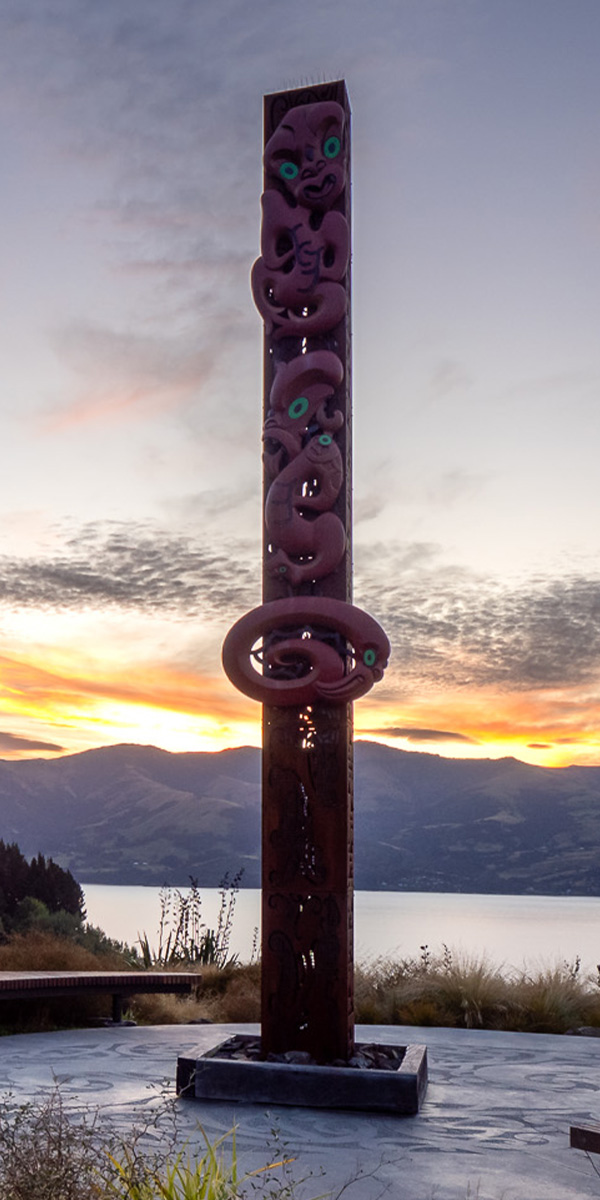
These events provide an opportunity for the community to contribute directly to the restoration of Takapūneke, while also deepening their understanding of its cultural and historical significance. Participants hear the stories and history of Takapūneke and learn about the meaning and significance behind the site’s design and artistic elements.
Acknowledgements
Acknowledgements
The desecration and defilement of Takapūneke in 1964 and 1979 marked the beginning of decades of advocacy by Tangata Whenua for recognition of the cultural and historical significance of the site.
In 2001 an archaeological site was disturbed during earthworks associated with the planned subdivision on Takapūneke. This discovery led to the meeting of Waitai Tikao, Pere Tainui, other members of Ōnuku Rūnanga, historian Dr Harry Evison and academic (now Dame) Anne Salmond, the Historic Places Trust (now Heritage New Zealand), the Akaroa Civic Trust, and a number of local people who joined with the Rūnanga to agitate for change. This was a turning point. In 2002, Heritage New Zealand recognised Takapūneke as wāhi tapu, a sacred site. All parties agreed to Takapūneke being secured as a National Historic Reserve, formalised in 2010. This included the land previously earmarked for development.
Ōnuku Rūnanga acknowledges the immense support that these organisations provided, and continue to provide.
Takapūneke documents
Takapūneke documents
Takapuneke Reserve is a place of profound cultural, historical, and environmental significance. We are committed to managing and developing the reserve in a way that is open, respectful, and accountable to mana whenua and the wider community.
This section provides access to key information about how the reserve is governed, restored, and cared for.