
THE HISTORY OF TAKAPŪNEKE

Discover the history of Takapūneke Reserve and learn about its cultural significance and enduring importance.

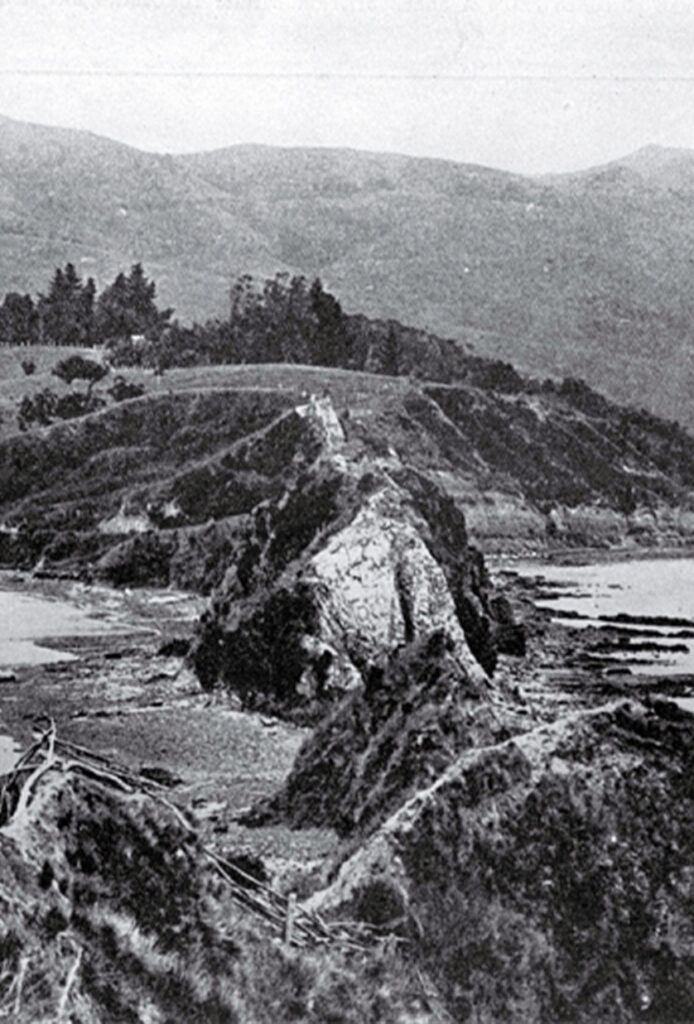
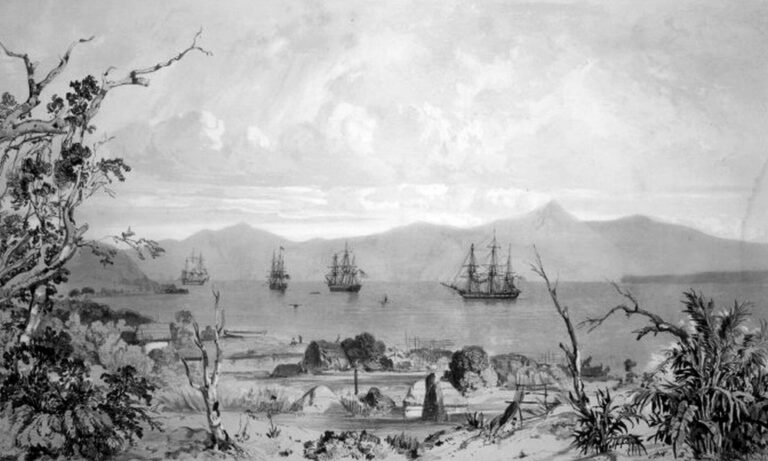
Historic image of Takapūneke. Image supplied by Akaroa Museum.

BEFORE 1830

BEFORE 1830

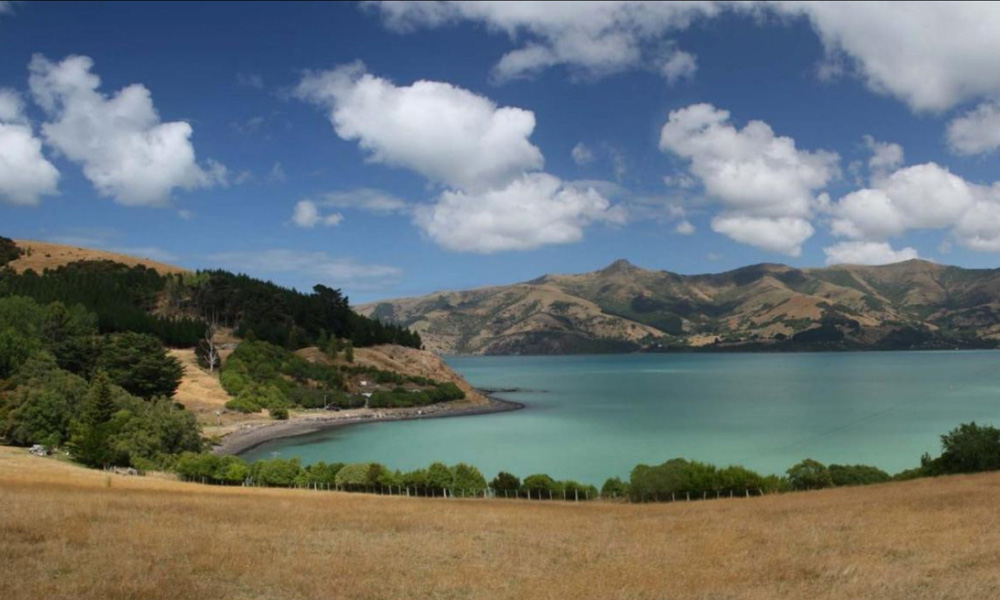
Takapūneke was a significant Ngāi Tahu kainga (settlement), established by great Ngāi Tahu chief Te Maiharanui in 1820, as a trading post. Takapuneke is situated on the eastern shores of Akaroa Harbour on Te Pātaka o Rākaihautū (Banks Peninsula). The harbour, known for its sheltered waters and abundant natural resources, supported a thriving community whose lives were closely connected to the surrounding whenua (land) and moana (sea). The local hapū, Ngāti Irakehu and Ngāi Tawera gathered kai moana such as fish and shellfish from the harbour, hunted birds in nearby forests, and cultivated and traded valuable resources including harakeke (flax). Takapūneke was part of a wider network of Ngāi Tahu kāinga and pā throughout Waitaha (Canterbury), reflecting strong kinship ties and established patterns of seasonal movement and resource management.

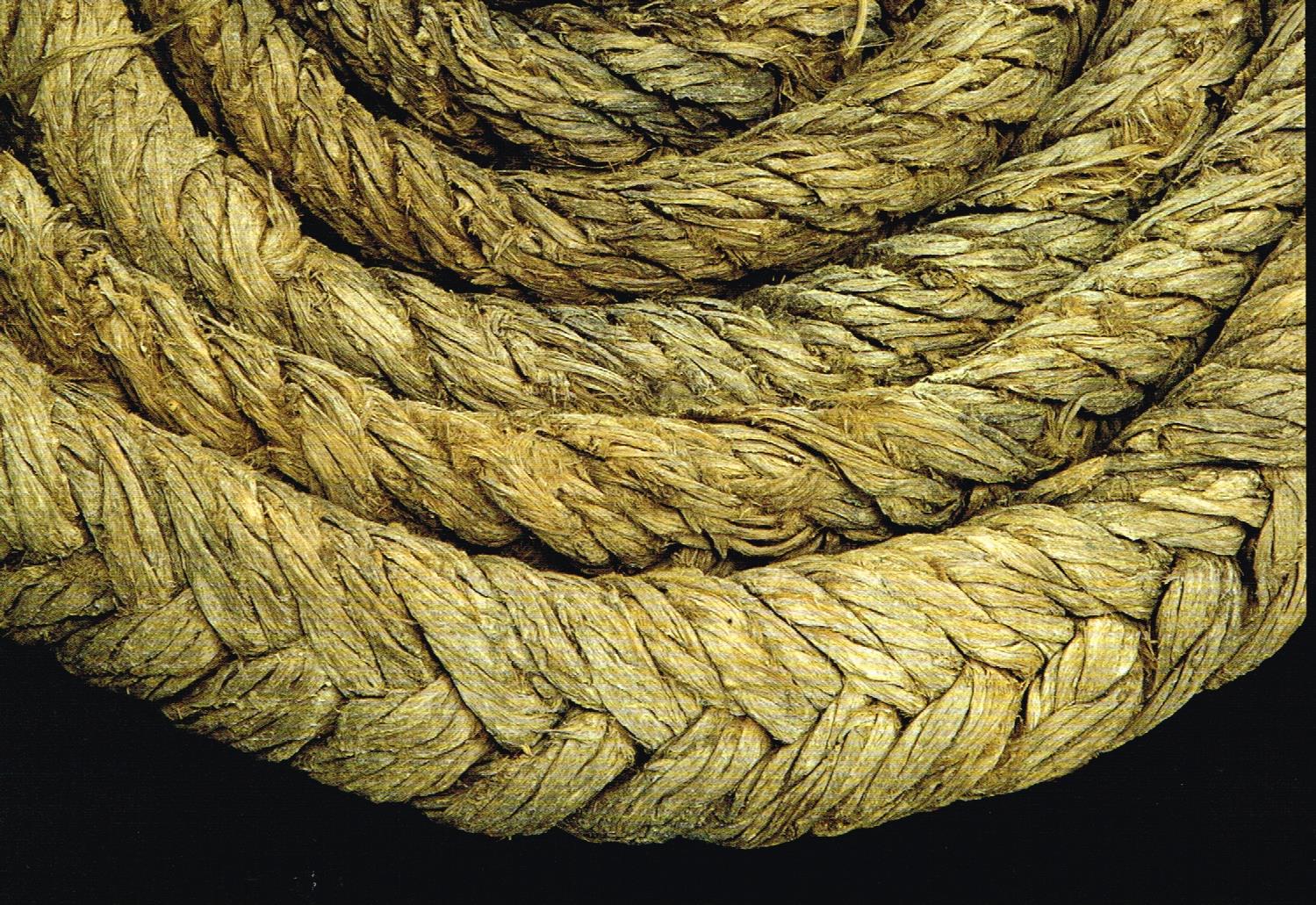
Te Maiharanui established Takapūneke as an important place of contact between Ngāi Tahu and European visitors. Sealers, traders, and ships travelling along the New Zealand coast increasingly stopped in Akaroa Harbour to trade for provisions, water, timber, food, and harakeke (flax). Ngāi Tahu communities actively participated in these exchanges, trading goods and building relationships with visiting ships while maintaining their own cultural practices and authority over the land. Takapūneke traded primarily in harakeke (flax), which was highly valued by Europeans for its strength and longevity as cordage. This exchange made Takapūneke an important location in the early history of cross-cultural contact in the region.

image4
Image supplied by Akaroa Museum.

1830 EVENTS 

1830 Events
What occurred

In 1830, Takapūneke became the site of a tragic and pivotal event in the history of Ngāi Tahu and Aotearoa New Zealand. The attack was part of a wider conflict involving the northern Ngāti Toa rangatira Te Rauparaha, who sought to extend his influence into the South Island during a period of inter-tribal warfare often referred to as the Musket Wars. Te Rauparaha aimed to capture the Ngāi Tahu chief Te Maiharanui. To carry out this plan, Te Rauparaha enlisted the assistance of the British Brig Elizabeth, captained by John Stewart. The ship sailed to Akaroa Harbour under the guise of trade. Te Maiharanui, along with his wife Te Whea and daughter Roimata, were invited aboard the vessel, reportedly believing he was meeting the captain for trading purposes. Once aboard, they were captured and secretly held below deck by Te Rauparaha and his warriors, who had been concealed on the ship.

On shore many were massacred. The event had repercussions in Britain due to the involvement of British subjects and vessel as mercenaries. Takapūneke became an urupā (cemetery) and a painful reminder of loss for hapū, who chose not to return there, settling at Ōnuku (meaning “at a distance”). Takapūneke had become tapu (sacred).

onawe
te tiriti

THE SIGNING OF TE TIRITI

THE SIGNING
OF TE TIRITI

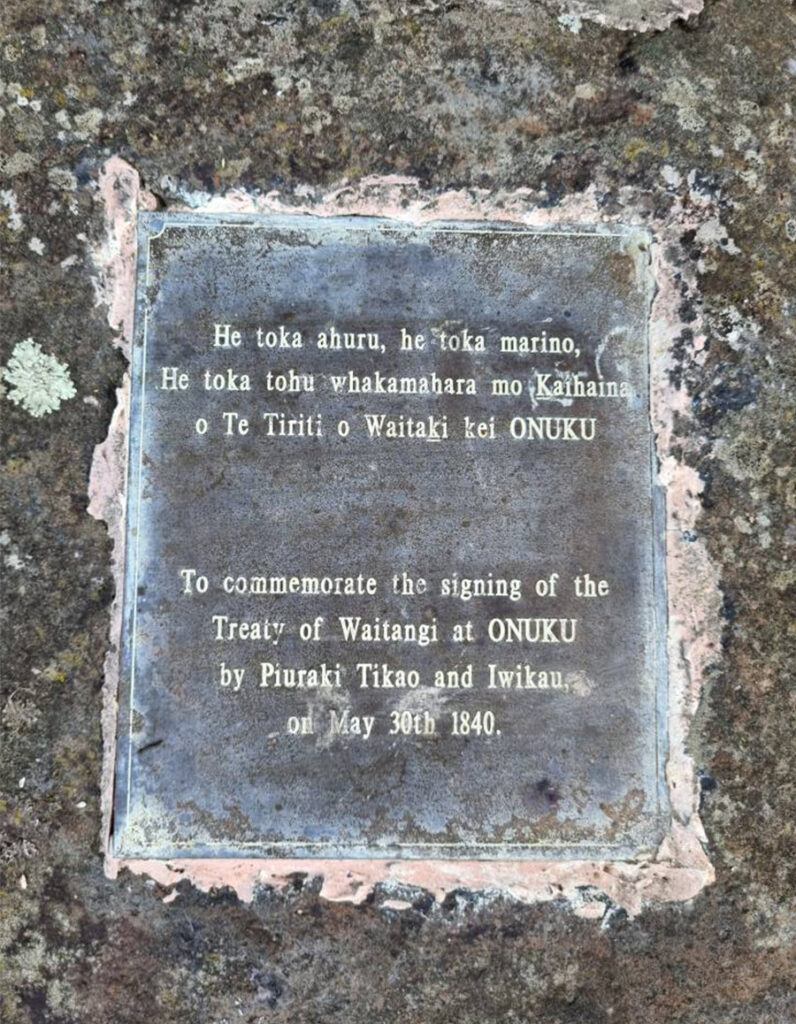
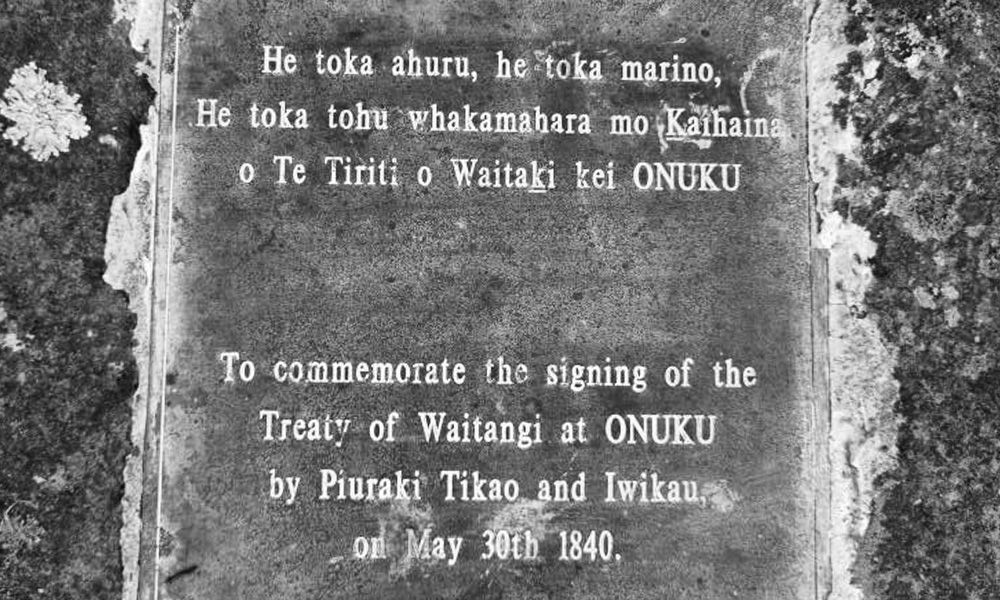
Te Tiriti o Waitangi was signed at Ōnuku, on the shores of Akaroa Harbour, on 30 May 1840. The treaty had first been signed at Waitangi earlier that year and was then carried around the country so that rangatira in other regions could consider the agreement. When the Crown representative Major Thomas Bunbury arrived aboard HMS Herald, Te Tiriti was read and explained to Ngāi Tahu rangatira gathered at Ōnuku. Rangatira Iwikau and Hōne Tikao (John Love) placed their names on the document, entering Ngāi Tahu into a formal relationship with the Crown. For Ngāi Tahu, Te Tiriti was understood as an agreement that would protect rangatiratanga and ensure the continued authority of mana whenua over their lands, resources, and way of life. The signing at Akaroa remains an important moment in the history of Te Tiriti in Te Waipounamu and in the ongoing relationship between Ngāi Tahu and the Crown.

Desecration and Reclamation​

Desecration and Reclamation

Following the devastating events of November 1830, Takapūneke was left deeply scarred. The massacre and capture of Ngāi Tahu rangatira Te Maiharanui and many of his people shattered the community and altered the course of the region’s history. Although the attack itself became a matter of wider political concern — contributing to increased British attention on lawlessness in Aotearoa — the site of Takapūneke received little protection or recognition in the decades that followed.

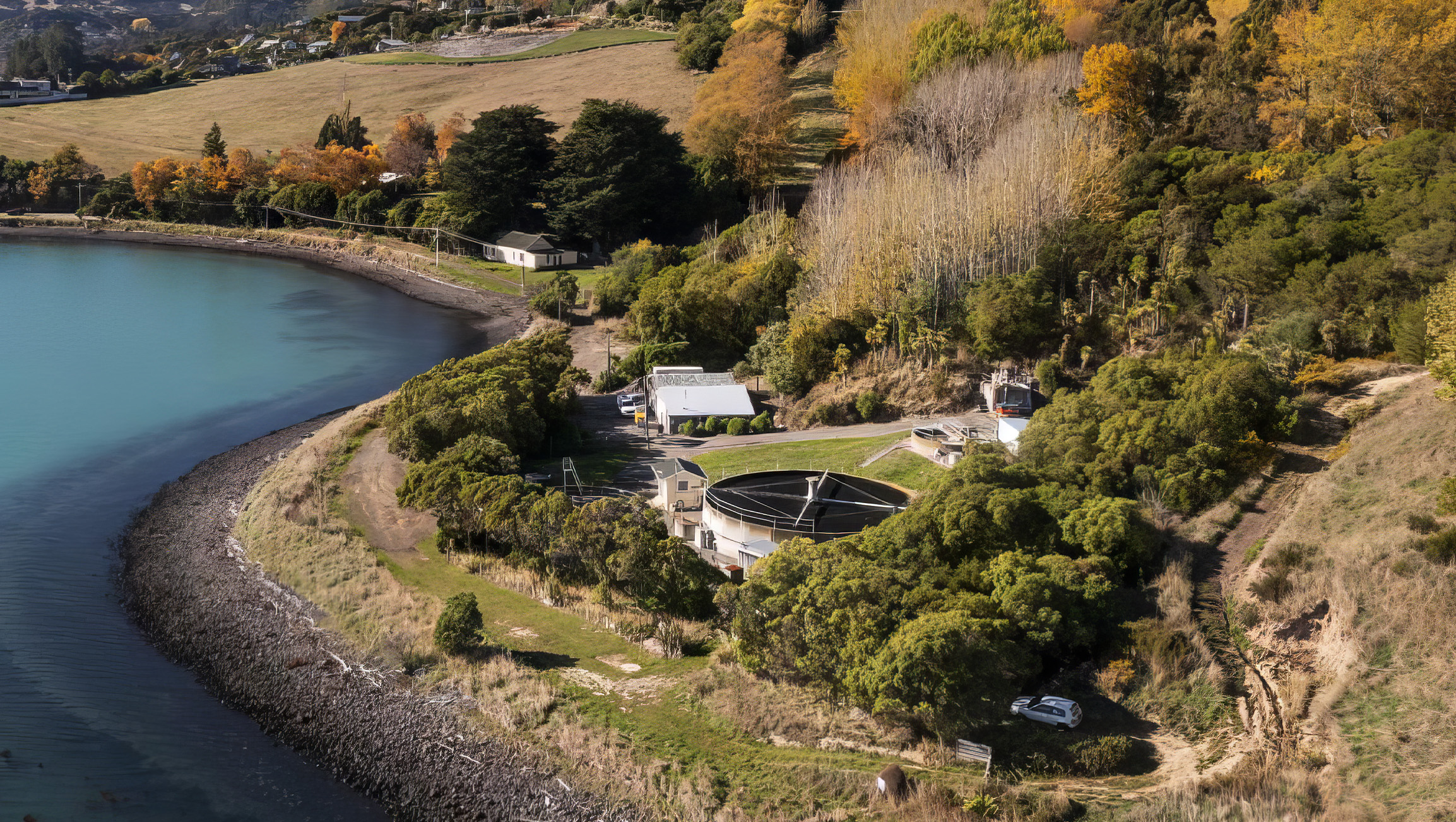
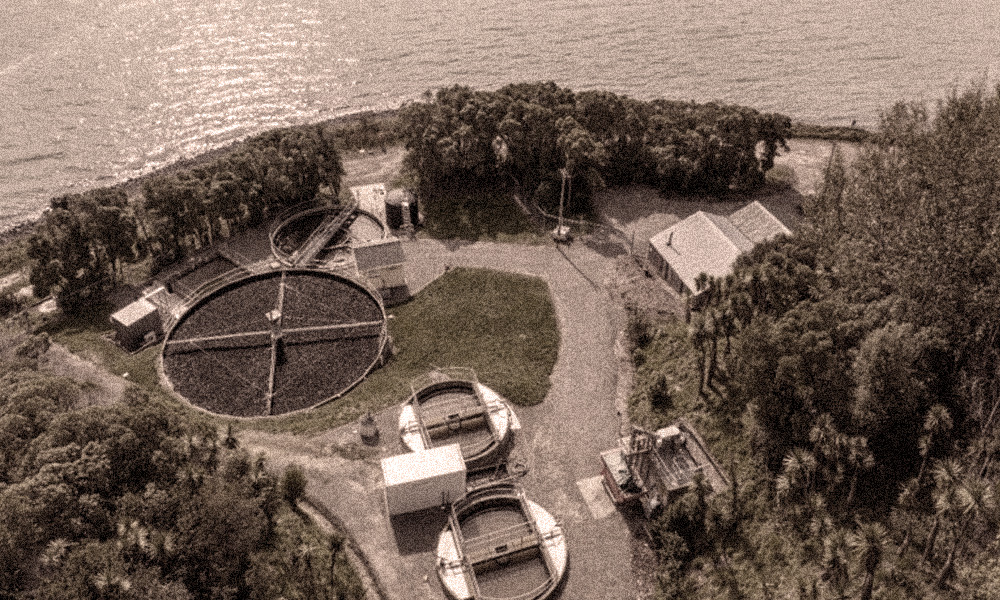
As colonial settlement expanded in Akaroa, the significance of Takapūneke as a wāhi tapu (sacred place) was overlooked. In 1839, Takapūneke became the site of the first cattle station in the South Island. The bones of the slain were gathered and burnt, spreading the ash of the dead across the valley. Then in 1964, the County Council constructed the Akaroa sewage plant within the area that was the kāinga of Te Maiharanui. In 1979 the Council established the Akaroa rubbish dump within the upper areas of Takapūneke. Buildings and infrastructure were constructed over areas associated with the massacre, destroying archaeological features.

The final insult occurred in the 1990’s when the Banks Peninsula District Council began planning to subdivide the land for residential development.

For Ngāi Tahu, this represented a continuing desecration — not only of land, but of memory and mana. The physical alteration of the landscape compounded the trauma of 1830, as the resting place of ancestors was treated without recognition of its history. 

From the late twentieth century onward, Ngāi Tahu leaders and whānau began advocating strongly for the protection and restoration of Takapūneke. Through sustained engagement with local and national authorities, they sought formal acknowledgement of the site’s historical and cultural importance. Research, kōrero tuku iho (oral histories), and public education played an essential role in raising awareness of what had occurred there.

Takapuneke Waste Treatment
Akaroa waste treatement plant.

RECOGNITION

RECOGNITION

Sustained advocacy by mana whenua, with support from the Akaroa Civic Trust, particularly in the late twentieth century, prevented the subdivision from progressing and brought renewed public attention to the history of the massacre and the subsequent misuse of the land.

Takapūneke is now formally recognised as one of the most significant historical sites in Aotearoa New Zealand. For many years after the events of 1830, the importance of the site was largely unacknowledged in official records, despite its profound meaning to Ngāi Tahu. A major milestone came in 2008 when Takapūneke was declared a Historic Reserve under the Reserves Act 1977. This was the first time in New Zealand that a site of massacre was formally recognised in this way. The reserve status acknowledged both the events of 1830 and the site’s ongoing cultural and spiritual importance as a wāhi tapu. It also ensured that the land would be protected and managed in a manner that respects its history and significance to Ngāi Tahu.

The next significant step towards the healing of Takapūneke will be the removal of the Akaroa sewage treatment plant. In 2010, the Council had begun investigating alternative sites. Although this process is still ongoing, Ōnuku Rūnanga is hopeful that the treatment plant will be disestablished by 2031/32.

image12
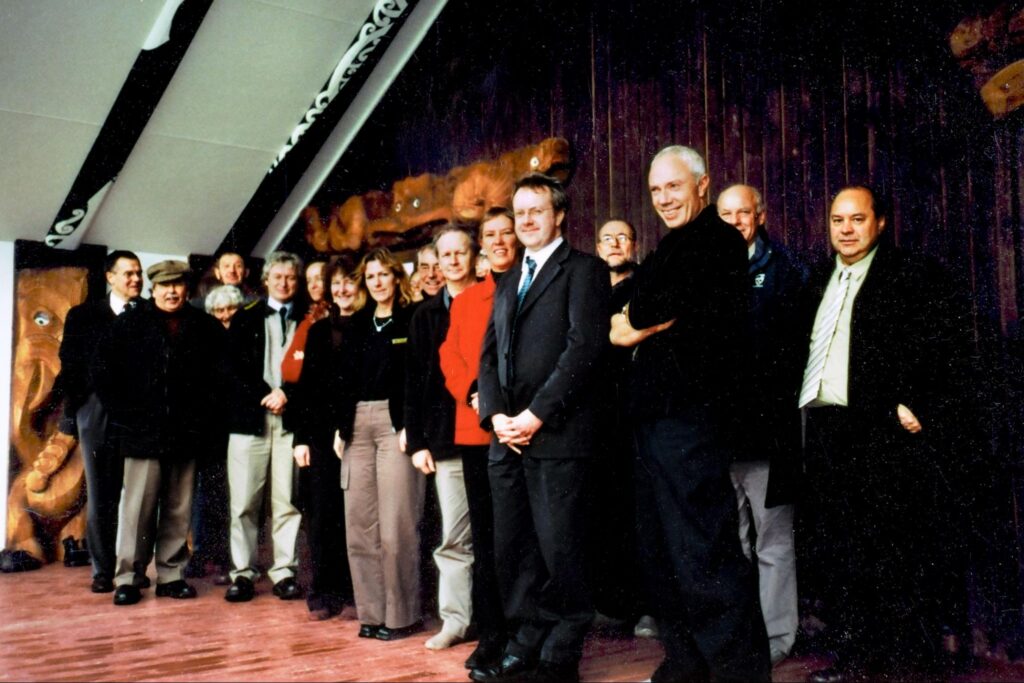
A meeting to discuss the Takapuneke Reserve proposal was hosted by Ruth Dyson (centre, red jacket) at Onuku marae on 2 July, 2004. Among those attending was Peter Richardson on behalf of Helen Clark, the Minister for Culture and Heritage (in front of Dyson) and Bob Parker, Mayor of Banks Peninsula (front, right). PHOTOGRAPH: VICTORIA ANDREWS

PRESENT DAY PROTECTION

PRESENT DAY PROTECTION

The protection of Takapūneke is guided by partnership between mana whenua and local authorities. Ōnuku Rūnanga plays a central role in decisions about how the site is cared for, interpreted, and presented to the public. Management approaches prioritise respect for the landscape, recognition of those who lost their lives in 1830, and the restoration of the site’s mana and mauri.

In the present day, Takapūneke serves as a place of remembrance, education, and reflection. Visitors are encouraged to understand its history and significance while observing the respect due to a sacred site. Ongoing protection ensures that the mistakes of the past — including periods of neglect and desecration — are not repeated. Instead, Takapūneke stands as an example of how acknowledgement, partnership, and legal protection can work together to honour history and safeguard cultural heritage.

TIMELINE

TAKAPŪNEKE TIMELINE

1820s
1820

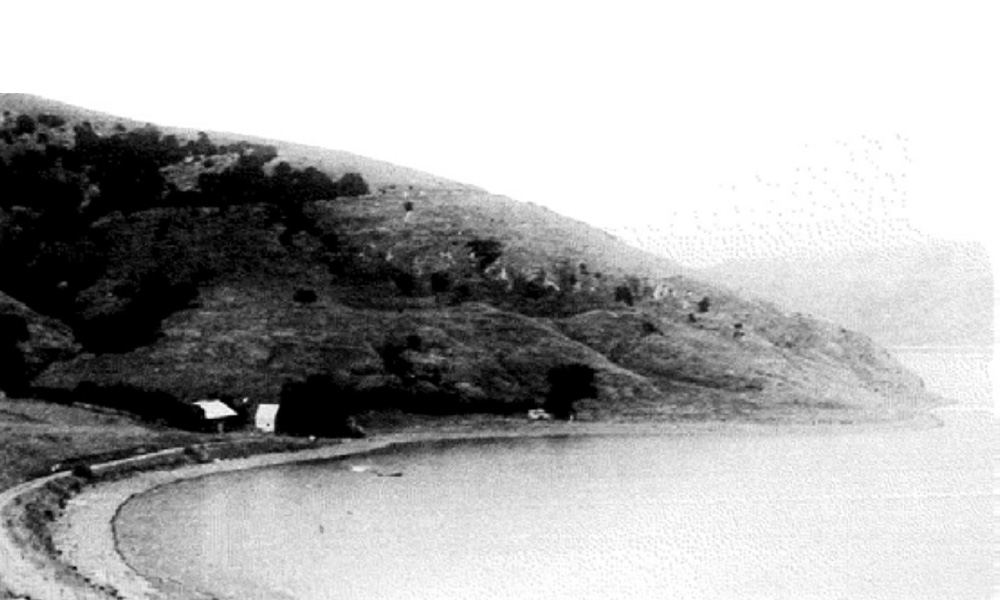
Takapūneke is a prosperous Ngāi Tahu pā and key flax trading anchorage with European ships.
1830
1830

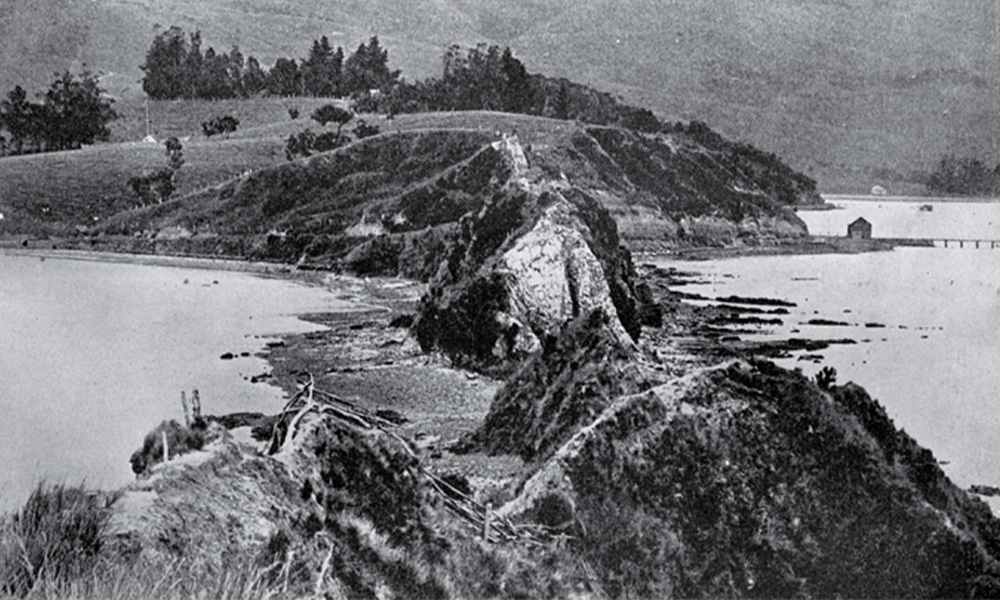
The Takapūneke massacre occurs; Te Rauparaha (Ngāti Toa) conspires with Captain Stewart of the brig Elizabeth to seize Ngāi Tahu chief Te Maiharanui in revenge.
1830s
1830s

Post-Massacre: The site becomes tapu (sacred) and is abandoned, with residents moving to Ōnuku.
1840
1840

The Treaty of Waitangi is signed at nearby Ōnuku.
1964/1970s
1960s

A wastewater plant (1964) and rubbish dump (1970s) are established on the site without consulting local hapū.
2002
2002

The site is registered as a Wāhi Tapu (sacred site) by the Historic Places Trust.

2010
2010

A co-governance arrangement is established between Ōnuku Rūnanga and Christchurch City Council for management.
2022
2022

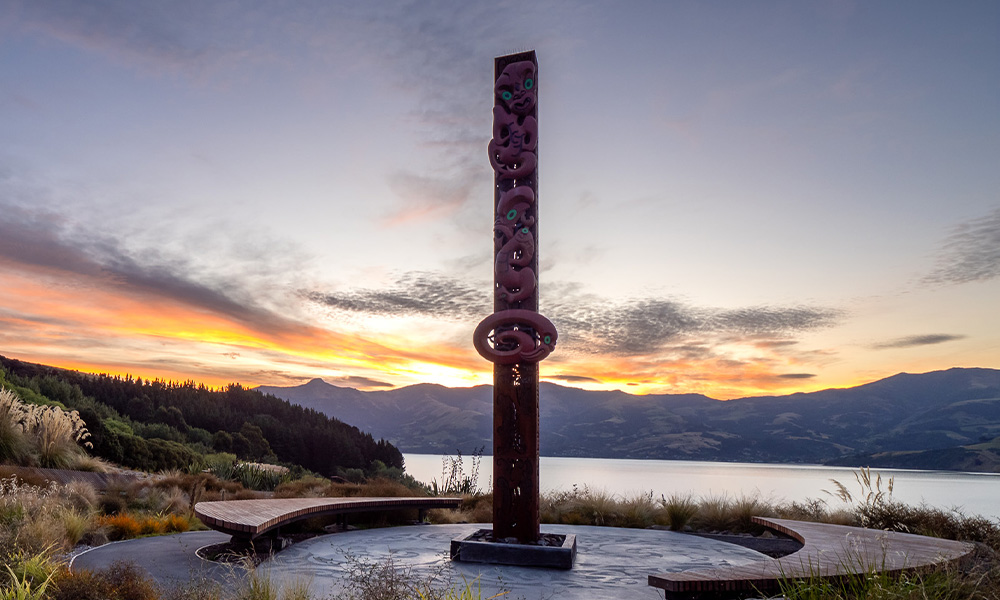
The Takapūneke Reserve is officially opened on the Matariki public holiday, featuring the pou Pou-tū-te-Raki-o-Te-Maiharanui.