
THE HISTORY OF TAKAPŪNEKE
BEFORE 1830
BEFORE 1830
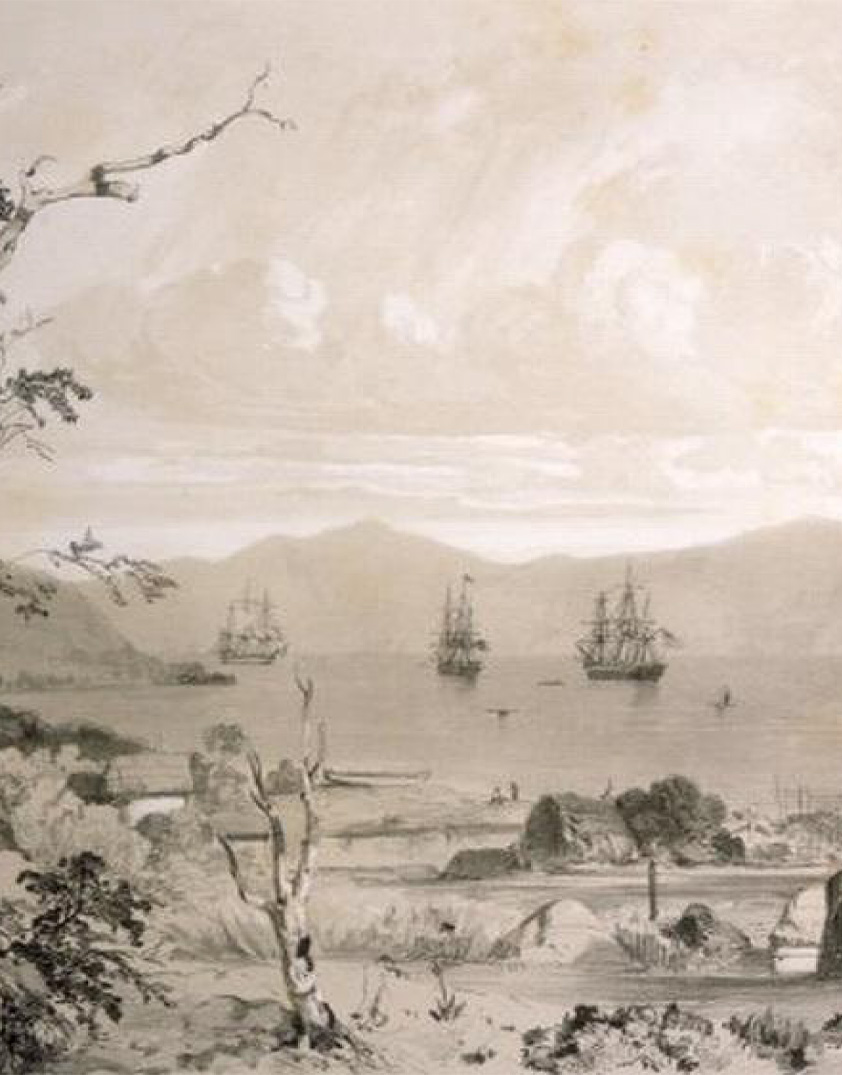
Before 1830, Takapūneke was a significant Ngāi Tahu settlement situated on the shores of Akaroa Harbour on Banks Peninsula. The harbour, known for its sheltered waters and abundant natural resources, supported a thriving community whose lives were closely connected to the surrounding whenua (land) and moana (sea). Ngāi Tahu people gathered kai moana such as fish and shellfish from the harbour, hunted birds in nearby forests, and cultivated and traded valuable resources including harakeke (flax). Takapūneke was part of a wider network of Ngāi Tahu kāinga and pā throughout Banks Peninsula, reflecting strong kinship ties and established patterns of seasonal movement and resource management.
During the late 18th and early 19th centuries, Takapūneke also became an important place of contact between Ngāi Tahu and European visitors. Sealers, traders, and ships travelling along the New Zealand coast increasingly stopped in Akaroa Harbour to trade for provisions, water, timber, and flax. Ngāi Tahu communities actively participated in these exchanges, trading goods and building relationships with visiting ships while maintaining their own cultural practices and authority over the land. By the early 1800s, Takapūneke had grown into a busy trading centre and a place where Māori and European worlds met, making it an important location in the early history of cross-cultural contact in the region.
1830 EVENTS
1830 Events
What occurred
During the late 18th and early 19th centuries, Takapūneke also became an important place of contact between Ngāi Tahu and European visitors. Sealers, traders, and ships travelling along the New Zealand coast increasingly stopped in Akaroa Harbour to trade for provisions, water, timber, and flax. Ngāi Tahu communities actively participated in these exchanges, trading goods and building relationships with visiting ships while maintaining their own cultural practices and authority over the land. By the early 1800s, Takapūneke had grown into a busy trading centre and a place where Māori and European worlds met, making it an important location in the early history of cross-cultural contact in the region.
THE SIGNING OF TE TIRITI
THE SIGNING
OF TE TIRITI
Desecration and Reclamation
Desecration and Reclamation
Following the devastating events of November 1830, Takapūneke was left deeply scarred. The massacre and capture of Ngāi Tahu rangatira Te Maiharanui and many of his people shattered the community and altered the course of the region’s history. Although the attack itself became a matter of wider political concern — contributing to increased British attention on lawlessness in Aotearoa — the site of Takapūneke received little protection or recognition in the decades that followed.
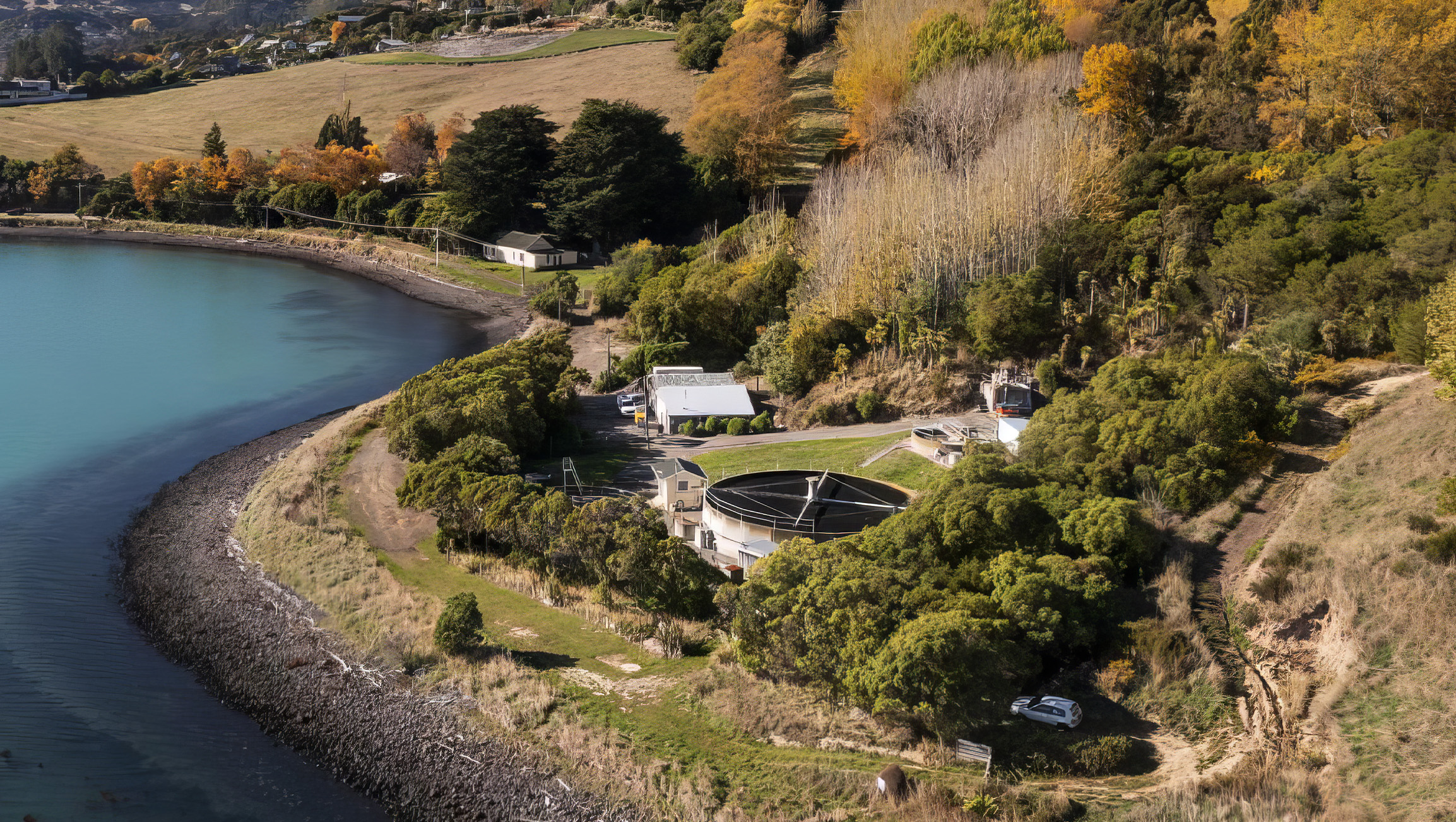
As colonial settlement expanded in Akaroa, the significance of Takapūneke as a wāhi tapu (sacred place) was overlooked. The land was gradually repurposed for industrial and municipal uses. During the twentieth century, parts of the site were used as a rubbish dump and sewage outfall. Buildings and infrastructure were constructed over areas associated with the massacre. For Ngāi Tahu, this represented a continuing desecration — not only of land, but of memory and mana. The physical alteration of the landscape compounded the trauma of 1830, as the resting place of ancestors was treated without recognition of its history.
From the late twentieth century onward, Ngāi Tahu leaders and whānau began advocating strongly for the protection and restoration of Takapūneke. Through sustained engagement with local and national authorities, they sought formal acknowledgement of the site’s historical and cultural importance. Research, kōrero tuku iho (oral histories), and public education played an essential role in raising awareness of what had occurred there.
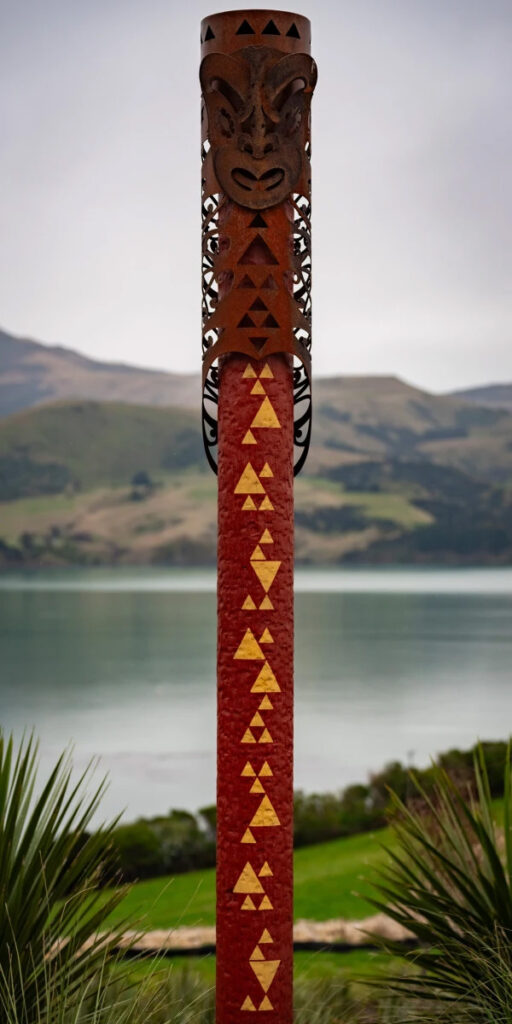
RECOGNITION
RECOGNITION
Takapūneke is now formally recognised as one of the most significant historical sites in Aotearoa New Zealand. For many years after the events of 1830, the importance of the site was largely unacknowledged in official records, despite its profound meaning to Ngāi Tahu. Sustained advocacy by mana whenua, particularly throughout the late twentieth century, brought renewed public attention to the history of the massacre and the subsequent misuse of the land.
A major milestone came in 2002 when Takapūneke was declared a Historic Reserve under the Reserves Act 1977. This was the first time in New Zealand that a site of massacre was formally recognised in this way. The reserve status acknowledged both the events of 1830 and the site’s ongoing cultural and spiritual importance as a wāhi tapu. It also ensured that the land would be protected and managed in a manner that respects its history and significance to Ngāi Tahu.
Recognition has also extended through heritage listings and interpretive efforts that share the story of Takapūneke with the wider public. Partnerships between Ngāi Tahu and local authorities have supported the development of signage, memorialisation, and educational resources to ensure the history is not forgotten. Today, Takapūneke stands not only as a protected landscape, but as a place of remembrance, learning, and acknowledgement — a powerful recognition of its significance in both Ngāi Tahu history and the national story of Aotearoa.
PRESENT DAY PROTECTION
PRESENT DAY PROTECTION
The protection of Takapūneke is guided by partnership between mana whenua and local authorities. Ngāi Tahu play a central role in decisions about how the site is cared for, interpreted, and presented to the public. Management approaches prioritise respect for the landscape, recognition of those who lost their lives in 1830, and the restoration of the site’s mana. This includes careful consideration of any development, maintenance of open space, and the use of culturally appropriate signage and interpretation.
In the present day, Takapūneke serves as a place of remembrance, education, and reflection. Visitors are encouraged to understand its history and significance while observing the respect due to a sacred site. Ongoing protection ensures that the mistakes of the past — including periods of neglect and desecration — are not repeated. Instead, Takapūneke stands as an example of how acknowledgement, partnership, and legal protection can work together to honour history and safeguard cultural heritage.
TIMELINE